All Categories
Featured
The 7-Minute Rule for Support Provided Via Certified Coun...
Not known Factual Statements About Prevalent False Belief...
The 45-Second Trick For What Legislation Guarantees When ...
Get This Report about When Bankruptcy Counseling Makes a ...
The 7-Minute Rule for Support Provided Via Certified Counselors
Table of Contents
While brand-new credit report can help you restore, it is very important to space out your applications. If you have a relative or pal with stellar debt, take into consideration inquiring to add you as an accredited customer on among their bank card. If they do it, the complete background of the account will certainly be added to your credit report records.
Before you consider debt settlement or insolvency, it's important to comprehend the potential advantages and downsides and how they could apply to your circumstance. Both choices can decrease or remove large parts of unsecured debt, assisting you stay clear of years of unmanageable repayments.
If you're uncertain that debt negotiation or personal bankruptcy is right for you, below are a few other financial obligation alleviation alternatives to think about. The proper way will depend upon your situation and objectives. If you have some versatility with your spending plan, below are some sped up financial debt payment choices you can pursue: Begin by listing your financial obligations from the tiniest to the largest equilibrium.
The Best Strategy To Use For Real Stories of Families Who Achieved Relief
The therapist works out with lenders to lower rates of interest, forgo late fees, and produce a convenient regular monthly settlement. You make one combined repayment to the company, which then pays your economic institutions. While a DMP doesn't decrease the major equilibrium, it helps you settle financial obligation faster and much more economically, normally within 3 to 5 years.
While you can negotiate with lenders on your own, it's commonly a complicated and time-consuming procedure, especially if you require to fix a huge quantity of financial debt across a number of accounts. The procedure calls for a solid understanding of your finances and the creditor's terms as well as self-confidence and persistence. Consequently, there are financial obligation alleviation firms additionally referred to as financial debt settlement companies that can deal with the settlements for you.
Individuals that enlist in the red alleviation programs have, generally, roughly $28,000 of unsecured debt across almost 7 accounts, according to an analysis commissioned by the American Association for Debt Resolution, which checked out clients of 10 significant financial obligation alleviation firms between 2011 and 2020. Concerning three-quarters of those clients contended least one financial obligation account successfully settled, with the regular enrollee resolving 3.8 accounts and majority of their signed up debt.
It's common for your credit report to fall when you first begin the debt alleviation procedure, specifically if you stop making settlements to your creditors. As each debt is cleared up, your credit history must start to rebound. Make sure you comprehend the overall prices and the impact on your credit when examining if financial obligation settlement is the right option.
Some Known Incorrect Statements About Staying Safe from Bankruptcy Counseling Fraud
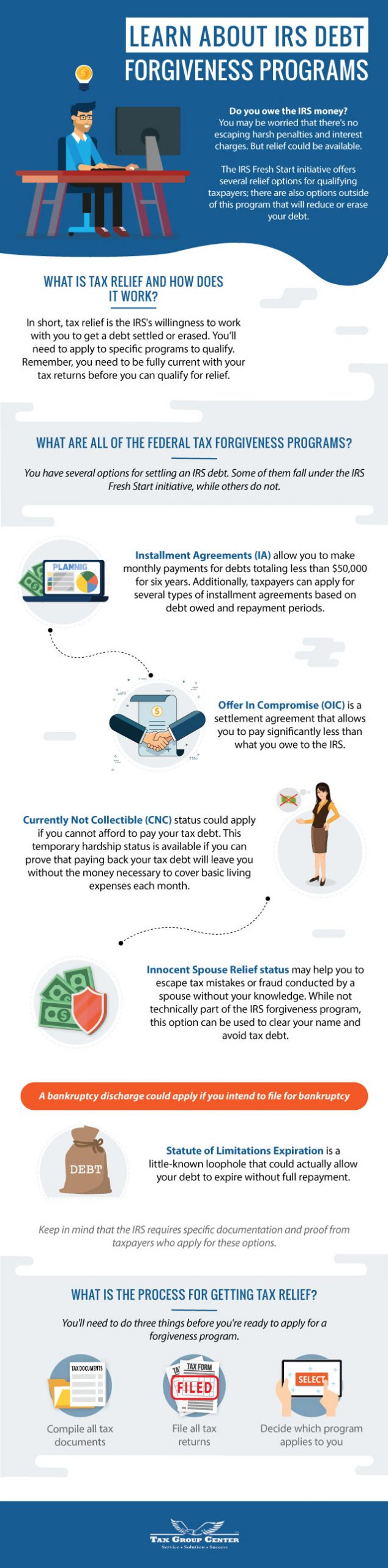
As stated above, there are alternatives to financial debt settlement that may be a better suitable for your financial scenario. Right here's a fast failure of exactly how each option works: Financial obligation debt consolidation allows you integrate multiple financial obligations right into one by securing a new lending to repay your existing debts. This strategy transforms several financial obligations into a solitary month-to-month repayment and often provides a lower rate of interest, simplifying your financial resources and possibly conserving you money over time.
Here's just how each one works: Debt loan consolidation lendings: These are personal fundings that you can make use of to settle your existing debts, leaving you with just one monthly expense, usually at a reduced rate of interest rate. Balance transfer bank card: This includes moving your existing charge card balances to a new credit scores card that uses a lower passion rate or an advertising 0% APR for a collection duration.
As soon as the period finishes, rate of interest will be considerably high typically over 20%. Home equity fundings or HELOCs (home equity credit lines): These loans allow you to borrow versus the equity in your home. You obtain a swelling sum or a line of credit scores that can be utilized to repay debts, and you usually gain from lower rates of interest contrasted to unsecured finances.
The Ultimate Guide To How Debt Counseling Ensures Professional Standards
These plans have several benefits, such as simplifying your payments by combining several into one and potentially lowering your interest prices. But they generally come with a configuration charge ranging from $30 to $50, and a regular monthly upkeep fee of around $20 to $75, depending upon the company you collaborate with.
Having a lot of debt can be overwhelming, yet it's still critical to take the time to think about the details of various options so you comprehend any type of possible dangers. The ideal debt strategy for you depends on your economic circumstance. If you're fighting with your costs yet still haven't missed out on any kind of settlements, a financial obligation management strategy may be a good fit especially if you do not want your credit report to container.
Whichever your situation is, consider talking with a qualified credit history counselor, an insolvency attorney, or a licensed financial obligation expert prior to relocating onward. They can help you obtain a full understanding of your funds and choices so you're far better prepared to choose. An additional aspect that affects your options is the kind of debt you have.
It is necessary to recognize that a discharge is distinctive from financial obligation mercy, and financial debt does not obtain "forgiven" with a bankruptcy filing. Our West Hand Coastline bankruptcy legal representatives can clarify in more information. Generally, "financial debt mercy" refers to a scenario in which a financial institution does not believe it can gather the full amount of the debt owed from a borrower, and either stops trying to accumulate or consents to forgive an amount much less than what the debtor owed as part of a financial obligation settlement contract.
Not known Factual Statements About Your Protection

When this occurs, the financial obligation will be taken into consideration "canceled" by the IRS, and the debtor will usually receive a cancellation of financial obligation develop the amount of debt forgiven is taxed. In an insolvency case, debt is not forgiven by a creditor. Rather, it is discharged by the bankruptcy court, and discharge has a various meaning from financial debt forgiveness.

Table of Contents
Latest Posts
The 7-Minute Rule for Support Provided Via Certified Counselors
Not known Factual Statements About Prevalent False Beliefs Regarding Bankruptcy

The 45-Second Trick For What Legislation Guarantees When Receiving Debt Relief
More
Latest Posts
The 7-Minute Rule for Support Provided Via Certified Counselors
Not known Factual Statements About Prevalent False Beliefs Regarding Bankruptcy
The 45-Second Trick For What Legislation Guarantees When Receiving Debt Relief